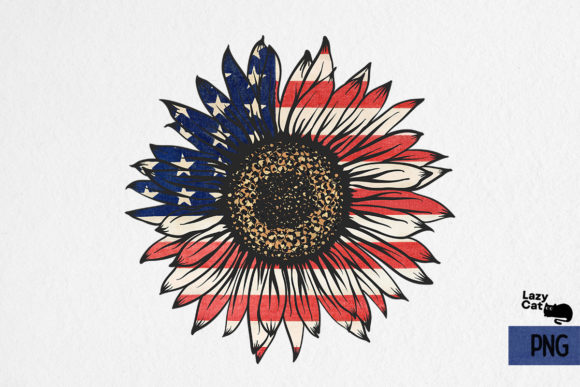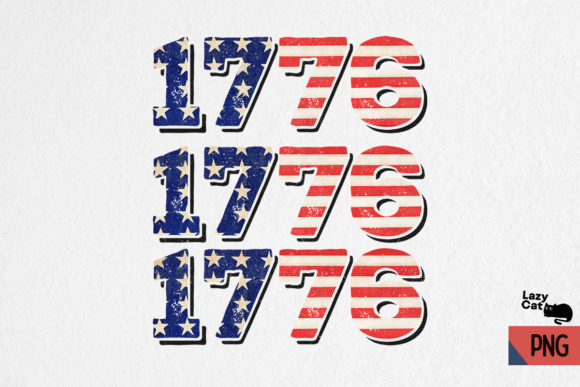
1776 4th of July Sublimation
As a designer with years of experience in embroidery and digital graphics, I’ve seen my fair share of holiday-themed designs. The 1776 4th of July Sublimation is one that stands out for its clarity, simplicity, and strong visual identity. It’s a design that feels both nostalgic and modern, making it a versatile choice for a variety of embroidery projects.
First Impressions: A Timeless Patriotic Design
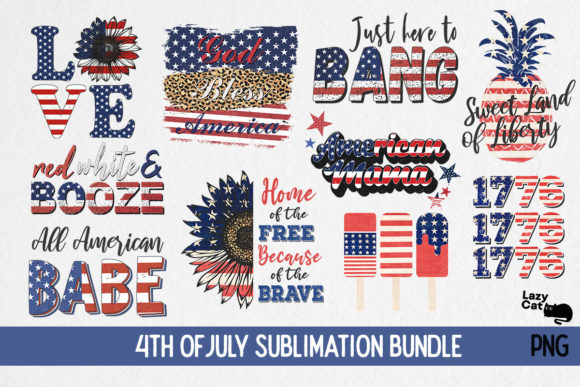
The 1776 4th of July Sublimation immediately evokes a sense of American pride. The clean lines and bold typography make it easy to recognize, while the subtle use of stars and a flag motif adds a touch of elegance. The transparent background allows for flexibility in placement, whether you're working on a white t-shirt or a dark sweatshirt.
This design works best on solid-colored fabrics where the details can pop. It has a straightforward layout that doesn’t overwhelm, which is ideal for small hoop sizes or intricate embroidery work. The level of detail is just right—enough to make the design stand out without being too busy for a simple project.
Real-World Use: Custom Apparel and Handmade Products
I tested the 1776 4th of July Sublimation on a custom tote bag design. The result was sharp and professional, with clear lettering and well-defined elements. It translated well to both light and dark fabrics, though I noticed that on darker backgrounds, the thread color needed to be more contrasting to maintain visibility.
For a sweatshirt embroidery project, the design held up well, especially when using a satin stitch for the text. The fill stitches were smooth, and there was no noticeable distortion. However, on stretchy or textured fabrics, the design could appear slightly off if not stabilized properly.
This design is also great for baby items, such as onesies or burp cloths. Its simplicity makes it suitable for a child’s clothing, and the patriotic theme is perfect for a personalized gift. When used on a patch, the 1776 4th of July Sublimation looked crisp and professional, making it ideal for embroidered patches on jackets or backpacks.
Where to Be Cautious: Fabric and Design Considerations
While the 1776 4th of July Sublimation is generally versatile, there are some situations where it might not perform as well. On thin or stretchy fabrics, the design could lose some definition if not properly stabilized. For these cases, a good stabilizer is essential to prevent puckering or distortion.
When working with curved surfaces like caps or hoods, the design may need slight adjustments to fit the shape. The corners and edges of the design are clean, but they may require careful placement to avoid any awkward cropping or stretching.
Small hoop sizes can also be a challenge. If the design is too large for the hoop, it may require multiple passes, which can affect the overall look. It’s best to check the maximum hoop size before starting any project.
Impact on Visual Appeal and Customer Perception
The 1776 4th of July Sublimation adds a strong visual statement to any product. Its clear design and patriotic theme make it instantly recognizable, which is important for customer engagement and brand consistency. Whether you're selling on Etsy or running a small shop, this design can help create a cohesive look that resonates with buyers.
For handmade products, the 1776 4th of July Sublimation elevates the quality and professionalism of the finished item. It’s a design that customers will appreciate for its clarity and craftsmanship, making it a valuable addition to any craft business or digital product collection.
Practical Designer Notes: Tips for Success
Before using the 1776 4th of July Sublimation in a commercial project, always test it on scrap fabric. This helps ensure that the design looks good on your specific machine and fabric type. Check the thread colors against the fabric to make sure there's enough contrast for visibility.
Review the stitch density to make sure it’s appropriate for the fabric you’re using. If the design is too dense, it may cause the fabric to pucker or become stiff. For delicate fabrics, consider adjusting the stitch count or using a lighter stabilizer.
Confirm the hoop size required for the design. If it’s too large for your machine, you may need to split the design or adjust the layout. Also, inspect the small details—like the stars and lettering—to ensure they remain sharp after stitching.
Test the design in black and white mockups to see how it looks without color. This can help you decide if it needs additional detailing or if it’s better suited for a different background. Compare it on both light and dark fabrics to determine the best thread color for your project.
Finally, make sure the design is compatible with your embroidery machine and software. While the 1776 4th of July Sublimation is a PNG file, you’ll need to convert it to an embroidery file format before stitching. Always confirm the licensing terms before selling finished products or digital files.
Conclusion: A Solid Choice for Patriotic Projects
The 1776 4th of July Sublimation is a reliable and effective design for a wide range of embroidery projects. Its clean layout, strong visual identity, and adaptability make it a valuable asset for designers, small business owners, and crafters. Whether you're creating custom apparel, personalized gifts, or boutique merchandise, this design offers a professional and appealing option that resonates with customers.