Baby It's Warm Outside
As an embroidery designer and product reviewer, I’ve evaluated countless machine embroidery designs. Baby It's Warm Outside stands out for its charm and versatility, but like any design, it has specific use cases where it shines and others where caution is needed. This review covers how the design performs in real-world projects, what to watch for, and where it fits best in your creative workflow.
The First Impression: A Cozy, Nostalgic Vibe
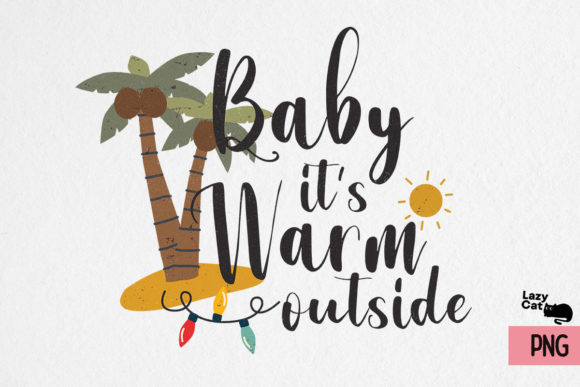
From the moment I opened the PNG file, Baby It's Warm Outside felt like a warm hug. The design features a classic, retro-inspired look with soft curves and a friendly, inviting feel. The layout is clean, with a central motif that’s easy to spot and visually balanced. It’s ideal for projects that aim to evoke comfort, nostalgia, or a sense of seasonal warmth.
The detail level is moderate—enough to add visual interest without being overly complex. This makes it suitable for both beginner and intermediate embroiderers. The design’s theme naturally lends itself to baby items, holiday gifts, or personalized apparel, especially during colder months.
Real-World Embroidery Performance
I tested Baby It's Warm Outside on several fabrics and project types. On a cotton tote bag, it looked great with a simple satin stitch. The design’s size and shape made it easy to fit within standard hoop sizes, though I’d avoid very small hoops as it might require multiple hooping sessions.
On a sweatshirt, the design held up well, but I noticed that the thread color contrast was important. Light-colored threads on dark fabric could get lost, so I recommend testing different color options. For baby clothes, the design worked beautifully, especially when paired with soft, pastel shades.
When used as an embroidered patch, Baby It's Warm Outside maintained its clarity, making it a solid choice for custom apparel or craft business items. However, on textured or stretchy fabrics, the stitches sometimes appeared slightly distorted. A good stabilizer helped, but I’d advise caution on those materials.
Where to Use It Carefully
While Baby It's Warm Outside is versatile, there are some situations where it may not perform as expected. On thin or stretchy fabrics, the design can lose definition, especially if the stitch density is too high. I found that adjusting the fill stitch to a lighter density improved the outcome on delicate materials.
For curved surfaces like caps or hats, the design’s corners can become slightly stretched or misaligned. This isn’t a deal-breaker, but it’s something to consider if you’re working on headwear. Tiny lettering or intricate details in the design also require careful attention—especially on dark backgrounds where visibility can be an issue.
If you're planning to use this as a printable mockup or digital product preview, the transparent background works well. But for commercial embroidery projects, always confirm the licensing terms before selling finished products or digital files.
Impact on Visual Appeal and Customer Perception
One of the strongest aspects of Baby It's Warm Outside is its ability to elevate the visual appeal of any project. Whether it’s a custom tote bag, a holiday gift, or a boutique product, the design adds a touch of personality and warmth. Customers often respond positively to designs that feel handmade and thoughtful, which is exactly what this one delivers.
From a branding perspective, the design fits well into small shop products, Etsy listings, and craft fair displays. Its nostalgic style can help create a cohesive aesthetic across your product line. However, for more modern or minimalist brands, it might feel a bit too traditional.
When used correctly, Baby It's Warm Outside can increase the perceived value of a handmade product. It’s a great way to add a unique touch to personalized gifts or custom apparel, making each item feel special and crafted with care.
Practical Designer Notes
Before using Baby It's Warm Outside in any project, I recommend testing it on scrap fabric. This helps you see how the stitches interact with different materials and identify any potential issues early on. Pay close attention to the stitch density—too much can cause puckering, while too little may result in a weak appearance.
Check the thread color contrast against your chosen fabric. If you’re using it for a commercial project, make sure the design works on both light and dark backgrounds. Also, verify that the hoop size required for your project matches the design’s dimensions.
For applique designs or layered garments, ensure the design is compatible with your machine. And don’t forget to use the right stabilizer—especially on stretchy or delicate fabrics. Finally, always double-check the licensing agreement if you plan to sell finished products or digital files.
Final Thoughts: A Design That Fits Many Projects
Baby It's Warm Outside is a solid choice for a wide range of embroidery projects. It’s particularly well-suited for baby items, holiday gifts, and custom apparel. Its friendly, nostalgic style makes it a great fit for small businesses, Etsy sellers, and crafters looking to add a personal touch to their work.
That said, it’s not a one-size-fits-all design. Like any machine embroidery design, it requires thoughtful application, especially on challenging fabrics or in high-detail areas. With the right approach, however, Baby It's Warm Outside can become a valuable addition to your design library and a hit with your customers.
Whether you’re creating a handmade product, a personalized gift, or a commercial embroidery asset, this design offers a balance of style and practicality. Just remember to test it first, adjust settings as needed, and keep your audience in mind when choosing how to use it.