Beaching Not Teaching Sublimation
As a designer with years of experience in embroidery and digital graphics, I always approach new designs with a critical eye. Beaching Not Teaching Sublimation is no exception. This design has a clear visual identity that leans into the laid-back, beachy vibe, making it ideal for a range of creative projects. The first thing I noticed is how well the layout balances simplicity with detail, offering enough character to stand out without overwhelming the fabric or the project it’s applied to.
The Visual Personality of Beaching Not Teaching Sublimation
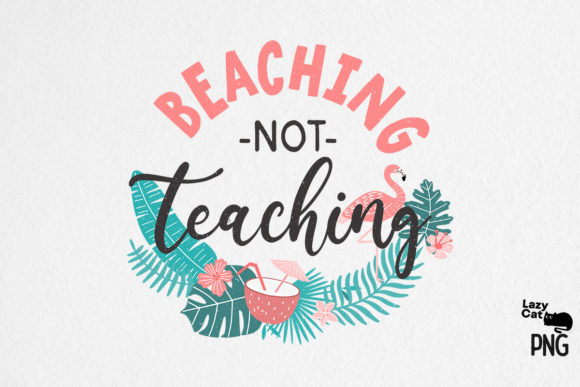
Beaching Not Teaching Sublimation carries a relaxed, fun energy. The shape and theme are straightforward—think tropical motifs, palm trees, waves, and maybe a few nautical elements. The design feels like it belongs on a tote bag, a sweatshirt, or a baby onesie. It’s not overly complex, which makes it versatile but also means it needs thoughtful placement to avoid looking flat or generic.
The detail level is moderate. There are enough elements to make it visually engaging, but not so much that it becomes difficult to stitch or might get lost on certain fabrics. The transparent background allows for flexibility, but it also means the design will need proper background consideration when used on dark or textured materials.
Real-World Embroidery Applications
When considering where Beaching Not Teaching Sublimation fits best, I think of custom apparel, especially items like tote bags and sweatshirts. These are common products for small businesses and Etsy sellers, and this design could work well as a statement piece. It also has potential for baby items, such as onesies or blankets, where the soft, playful style would be appreciated.
For embroidered patches, the design holds up reasonably well, though the smaller details may require careful stitching. On caps or hats, the curved surface could pose a challenge, especially if the hoop size is too small. That said, with the right stabilizer and technique, it should still look good.
One area where Beaching Not Teaching Sublimation shines is in personalized gifts. A custom pillow cover or tea towel with this design could make a great holiday or wedding gift. Its clean lines and recognizable theme make it easy to pair with other design elements or text.
Where to Use With Caution
While Beaching Not Teaching Sublimation is versatile, there are some situations where it might not perform as well. For example, on thin or stretchy fabrics, the design could lose definition. Similarly, on dark backgrounds, the contrast may not be strong enough unless the thread color is carefully chosen.
Small hoop sizes can be problematic for any design with intricate details. If the design includes tiny lettering or delicate corners, it may not stitch well in a limited space. Dense stitch areas might also cause the fabric to pucker, especially on lightweight materials.
For commercial embroidery projects, it’s important to test the design thoroughly before mass production. Beaching Not Teaching Sublimation could work well for a craft business or boutique product, but only if the stitching quality and fabric compatibility are consistent.
Impact on Visual Appeal and Customer Perception
Visual appeal is key in embroidery, and Beaching Not Teaching Sublimation delivers a clean, recognizable look that should resonate with many customers. The design’s simplicity helps it stand out on its own, but it also allows for customization, such as adding text or combining it with other elements.
Stitching clarity is another factor. If the design is stitched with proper density and the right thread colors, it should look professional and polished. However, if the stitch density is too low or the colors don’t contrast well, the finished product may not meet customer expectations.
For handmade products, Beaching Not Teaching Sublimation can enhance the value and appeal of a project. It’s a design that feels authentic and well-crafted, which is important for building customer trust and encouraging repeat business.
Practical Designer Notes
Before using Beaching Not Teaching Sublimation in any project, I recommend testing it on scrap fabric. This will help you see how the design looks in real life and identify any potential issues with stitching or fabric compatibility.
Check the thread color contrast, especially if you plan to use it on dark or light backgrounds. Review the stitch density to ensure it’s appropriate for the fabric type. Confirm the hoop size needed for the design and inspect small details for accuracy.
Testing the design in black and white mockups can also be helpful, as it shows how the design will look without color. Comparing it on different fabric backgrounds will give you a better sense of its versatility.
Using the right stabilizer is crucial, especially for delicate or stretchy fabrics. Make sure the design works for both personal and commercial projects, and always confirm the licensing terms before selling finished items or digital products.
Final Thoughts on Beaching Not Teaching Sublimation
Beaching Not Teaching Sublimation is a solid choice for designers looking for a simple, beach-themed design that can be adapted to a variety of embroidery projects. It’s well-suited for custom apparel, personalized gifts, and small business merchandise, provided the right techniques and materials are used.
As with any machine embroidery design, the success of Beaching Not Teaching Sublimation depends on how it’s applied. With attention to detail and proper execution, it can elevate a handmade product or commercial item and add value to a craft business or Etsy shop.