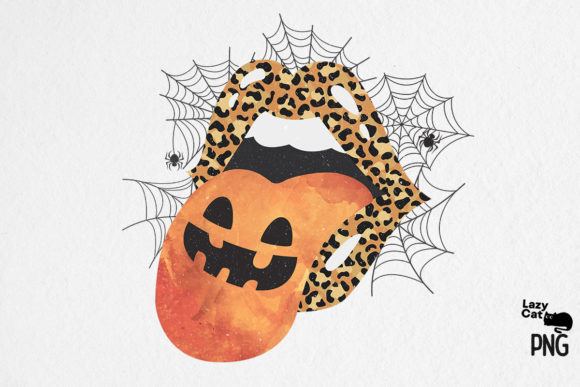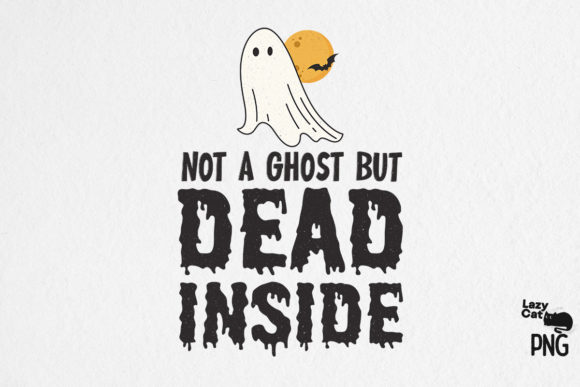
Halloween Dead Sublimation
As a designer and embroidery product reviewer, I often find myself evaluating digital files for their real-world usability. Halloween Dead Sublimation is one such design that caught my attention. It’s a graphic with a clear, spooky aesthetic that could work well in a variety of craft and commercial applications. But before jumping into using it on a project, there are several factors to consider.
The First Impression
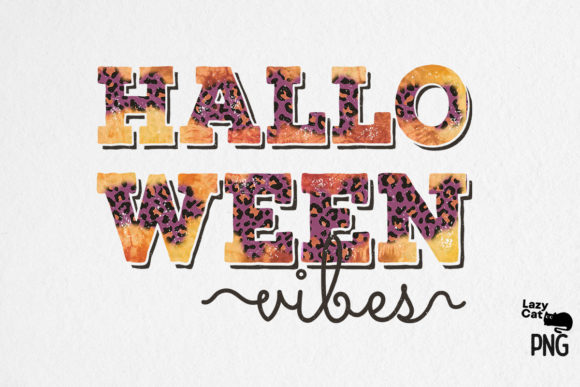
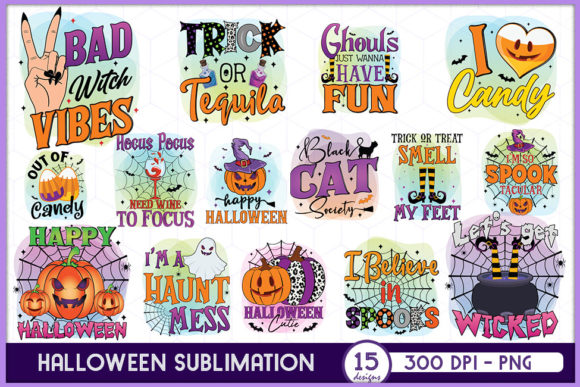
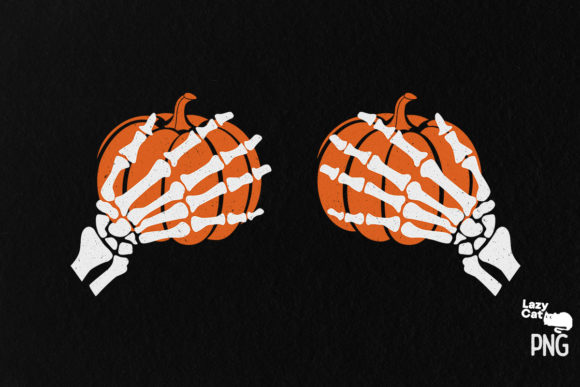
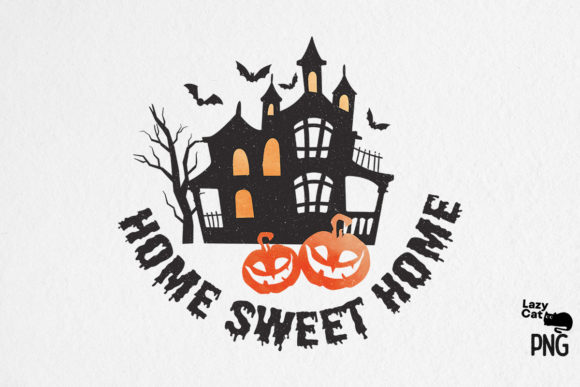
Halloween Dead Sublimation immediately sets a mood. The design has a bold, slightly eerie vibe that fits perfectly with the Halloween theme. Its layout is clean, with a central image that doesn’t feel cluttered. The details are sharp enough for an embroidery file, though not overly complex. This makes it ideal for projects where simplicity and clarity matter more than intricate detail.
The visual personality of the design leans toward dark, gothic themes. It would be most at home on custom apparel, especially items like sweatshirts, tote bags, or baby onesies meant for seasonal use. The transparent background of the PNG file allows for flexibility in placement, but it also means you’ll need to be mindful of how it interacts with different fabric colors and textures.
Real-Life Embroidery Scenarios
When considering where to place Halloween Dead Sublimation, think about the type of project you’re working on. For example, if you're creating a custom embroidered tote bag for a local boutique, this design could add a unique touch without overwhelming the piece. It works well as a standalone motif, especially when paired with other Halloween-themed elements.
On a sweatshirt, the design would look best on a light-colored fabric where the details can pop. On darker materials, the contrast might be less striking, so testing it on a mockup is essential. For baby clothes, the design could be used in a more subdued way, perhaps with a smaller scale or fewer color variations to keep it gentle.
Embroidered patches are another great application. The design’s size and shape make it suitable for small hoop setups, though you’ll want to ensure that the stitch density isn’t too high, which could cause puckering or distortion.
Where to Be Careful
There are some limitations to consider. If you’re working with small hoop sizes, Halloween Dead Sublimation may require multiple hooping sessions, which can be time-consuming. Textured fabrics, thin materials, or stretchy garments might also pose challenges. The design’s details could get lost or distorted if the fabric moves during stitching.
For curved surfaces like caps or hats, the design may need some adjustment to fit properly. Tiny lettering or intricate corners might not translate well unless the stitch density is carefully managed. On dark fabrics, the thread color choice becomes even more critical—opt for a contrasting color to maintain visibility.
If you're planning to use this design on layered garments or products that will be washed frequently, make sure the stitches are secure and the stabilizer is appropriate for the fabric type. Otherwise, the design could lose its integrity over time.
Impact on Visual Appeal and Value
Halloween Dead Sublimation has the potential to elevate a handmade product or personalized gift. Its strong visual identity can help your brand stand out, especially if you're targeting a niche market like holiday decorations or themed apparel. Customers often appreciate designs that feel unique and well-crafted, and this one delivers on that front.
From a professional standpoint, using this design can enhance the perceived value of your finished product. It adds a layer of creativity and specificity that customers may find appealing. However, it’s important to ensure that the design aligns with your brand’s overall aesthetic and the expectations of your target audience.
For Etsy sellers or small shop owners, Halloween Dead Sublimation could be a valuable addition to your digital product library. It offers versatility across different mediums, from printable mockups to actual embroidered items. Just be sure to test it thoroughly before listing it for sale.
Practical Designer Notes
Before using Halloween Dead Sublimation in any project, I recommend doing a few quick tests. Start by stitching it onto scrap fabric to see how the details hold up. Check the thread color contrast against your intended fabric—sometimes what looks good on a screen doesn’t translate well in real life.
Review the stitch density to make sure it’s appropriate for the fabric type. If the design is too dense, it might cause puckering or affect the comfort of the garment. Confirm the hoop size required for your machine, and inspect small details to ensure they’re visible and well-defined.
Testing the design in black and white mockups can help you see how it looks without color distractions. Comparing it on both light and dark backgrounds can also reveal any issues with visibility or contrast. Using the right stabilizer is crucial, especially for delicate or stretchy fabrics.
Finally, always check the licensing terms before selling finished items or digital products. Even though the design is provided as a PNG file, its usage rights may vary depending on the source. Make sure you’re compliant with any restrictions before incorporating it into your business.
Final Thoughts
Halloween Dead Sublimation is a versatile design that can work well in a range of embroidery projects. Its bold style and clear layout make it suitable for both personal and commercial use, as long as you take the necessary precautions. Whether you're creating custom apparel, personalized gifts, or small shop merchandise, this design has the potential to add a unique touch to your work.
As with any digital embroidery file, the key to success lies in testing, adjusting, and understanding the design’s limitations. By approaching it with care and attention, you can ensure that your finished product meets both your standards and your customers’ expectations.